
Cialis (Tadalafil): Uses, Benefits, Side Effects, and Safety Information

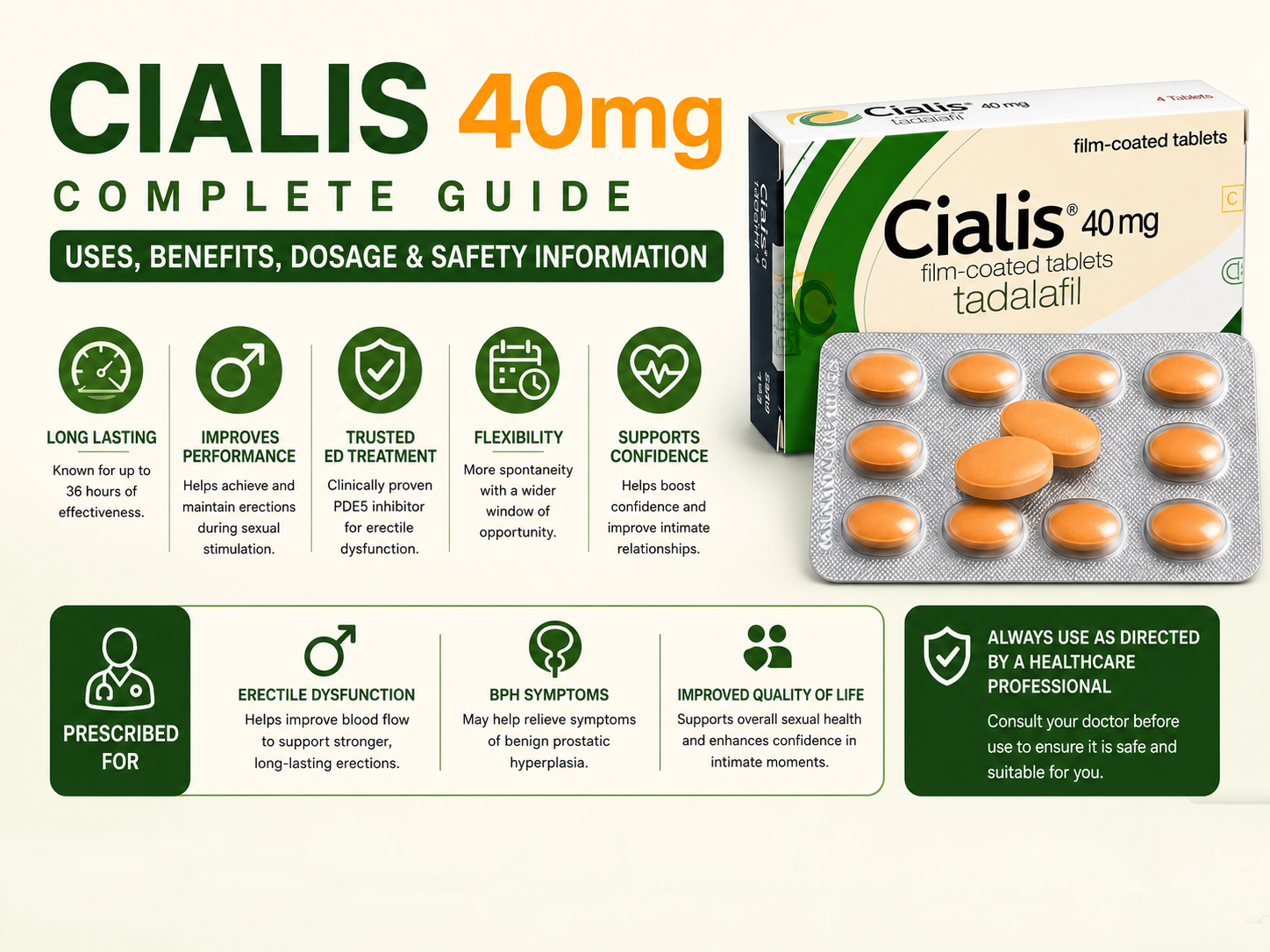
Cialis is a prescription medication that contains tadalafil, a drug commonly used to treat erectile dysfunction (ED) in adult men. Tadalafil belongs to a class of medications known as phosphodiesterase type 5 (PDE5) inhibitors. These medicines help improve blood flow in certain parts of the body and may assist eligible patients in achieving and maintaining an erection when sexually stimulated.
Since its approval, tadalafil has become one of the most recognized treatment options for erectile dysfunction. It is known for its relatively long duration of action compared with some other medications in the same category. Healthcare providers may also prescribe tadalafil for other approved medical uses depending on a patient’s condition and medical history.
This guide explains how tadalafil works, its approved uses, potential benefits, side effects, safety precautions, and frequently asked questions.
Key Takeaways
- Cialis contains the active ingredient tadalafil.
- Tadalafil is commonly prescribed for erectile dysfunction.
- The medication belongs to the PDE5 inhibitor drug class.
- Effects may last longer than some alternative ED treatments.
- Side effects can range from mild to serious.
- Medical supervision is important before starting treatment.
- Certain medications and health conditions may make tadalafil unsuitable for some individuals.
What Is Cialis?
Cialis is a brand-name medication that contains tadalafil. It is primarily prescribed to help manage erectile dysfunction, a condition that affects the ability to achieve or maintain an erection sufficient for sexual activity.
Erectile dysfunction is common and can occur due to physical, psychological, or lifestyle-related factors. Conditions such as diabetes, cardiovascular disease, obesity, stress, anxiety, and hormonal imbalances may contribute to ED.
Tadalafil is available in various strengths and dosing schedules. A healthcare professional determines the appropriate dosage based on individual needs, health conditions, and treatment goals.
How Does Tadalafil Work?
Tadalafil works by blocking an enzyme called phosphodiesterase type 5 (PDE5).
When sexual stimulation occurs, the body releases nitric oxide, which helps produce cyclic guanosine monophosphate (cGMP). This substance relaxes smooth muscles and allows blood vessels to widen.
As blood flow increases, the body can achieve a stronger erectile response.
The PDE5 enzyme normally breaks down cGMP. By inhibiting PDE5, tadalafil helps maintain higher cGMP levels, supporting improved blood flow.
It is important to understand that tadalafil does not automatically cause an erection. Sexual stimulation is still necessary for the medication to work.
Approved Medical Uses
Erectile Dysfunction
The most common use of tadalafil is the treatment of erectile dysfunction.
ED may affect men of various ages, although it becomes more common with advancing age. Many factors can contribute to erectile difficulties, including:
- High blood pressure
- Diabetes
- Obesity
- Smoking
- Heart disease
- Anxiety
- Depression
- Chronic stress
For suitable patients, tadalafil may help improve erectile function and sexual confidence.
Benign Prostatic Hyperplasia (BPH)
Healthcare providers may also prescribe tadalafil for symptoms associated with benign prostatic hyperplasia.
BPH is a noncancerous enlargement of the prostate gland that may cause:
- Frequent urination
- Difficulty starting urination
- Weak urine flow
- Urgent need to urinate
- Nighttime urination
Tadalafil may help relax muscles in the bladder and prostate, improving urinary symptoms.
Erectile Dysfunction and BPH Together
Some patients experience both erectile dysfunction and benign prostatic hyperplasia. In these situations, tadalafil may address symptoms of both conditions.
Potential Benefits
Long Duration of Action
One of tadalafil’s most recognized characteristics is its extended duration of activity.
While response times vary, tadalafil may remain effective for significantly longer than some other medications used for erectile dysfunction.
Improved Erectile Function
Many patients experience improved erectile performance when tadalafil is prescribed appropriately and used according to medical instructions.
Increased Flexibility
Because tadalafil remains active longer than some alternatives, patients may have more flexibility regarding timing.
Improved Confidence
Successful treatment of erectile dysfunction may improve confidence and relationship satisfaction for some individuals.
Dosage Information
Only a licensed healthcare professional should determine the appropriate dosage.
Several factors influence dosing decisions:
- Age
- Overall health
- Kidney function
- Liver function
- Current medications
- Presence of cardiovascular disease
- Previous response to treatment
Never increase, decrease, or change a prescribed dose without consulting a healthcare provider.
Administration Guidelines
When prescribed tadalafil:
- Follow your healthcare provider’s instructions carefully.
- Take the medication exactly as directed.
- Do not take more than prescribed.
- Inform your provider about all medications and supplements you use.
- Read the medication guide provided with your prescription.
If you have questions about administration, speak with a pharmacist or healthcare professional.
Common Side Effects
Like all medications, tadalafil may cause side effects.
Common side effects may include:
- Headache
- Facial flushing
- Nasal congestion
- Indigestion
- Back pain
- Muscle aches
- Dizziness
These side effects are often mild and temporary.
However, if symptoms become severe or persistent, medical advice should be sought.
Serious Side Effects
Although uncommon, serious side effects can occur.
Seek immediate medical attention if you experience:
Chest Pain
Chest discomfort or symptoms suggestive of a heart problem require urgent evaluation.
Vision Changes
Sudden vision loss or major visual disturbances require immediate medical attention.
Hearing Changes
Sudden hearing reduction or hearing loss should be treated as a medical emergency.
Severe Allergic Reactions
Signs may include:
- Swelling of the face
- Difficulty breathing
- Severe rash
- Swelling of the tongue or throat
Prolonged Erection
An erection lasting several hours requires emergency medical care because permanent tissue damage may occur.
Drug Interactions
Tadalafil may interact with numerous medications.
Nitrates
Combining tadalafil with nitrate medications can cause dangerous reductions in blood pressure.
Alpha-Blockers
Certain alpha-blockers may increase the risk of low blood pressure when combined with tadalafil.
Blood Pressure Medications
Additional monitoring may be necessary when tadalafil is used alongside antihypertensive medications.
Antifungal Medications
Some antifungal medications may affect tadalafil metabolism.
Certain Antibiotics
Certain antibiotics may alter drug concentrations in the body.
Always provide a complete medication list to your healthcare provider.
Food and Alcohol Considerations
Alcohol may increase the risk of side effects such as:
- Dizziness
- Lightheadedness
- Low blood pressure
Patients should discuss alcohol use with their healthcare provider.
Who Should Avoid Tadalafil?
Tadalafil may not be appropriate for everyone.
Individuals requiring special evaluation include those with:
- Severe cardiovascular disease
- Recent heart attack
- Recent stroke
- Severe liver disease
- Severe kidney disease
- Certain eye disorders
- Known tadalafil allergy
A healthcare professional can determine whether tadalafil is suitable.
Lifestyle Factors That May Affect Erectile Dysfunction
Medication is only one aspect of ED management.
Several lifestyle changes may support overall sexual health:
Regular Exercise
Physical activity may improve circulation and cardiovascular health.
Weight Management
Maintaining a healthy weight may reduce ED risk factors.
Smoking Cessation
Smoking damages blood vessels and may contribute to erectile dysfunction.
Stress Management
Stress and anxiety often affect sexual performance.
Healthy Diet
Balanced nutrition supports cardiovascular health and blood flow.
Frequently Asked Questions
What is Cialis used for?
Cialis is commonly prescribed to treat erectile dysfunction and may also be prescribed for benign prostatic hyperplasia in certain patients.
How does tadalafil work?
Tadalafil helps improve blood flow by inhibiting the PDE5 enzyme, which supports the body’s natural erectile response during sexual stimulation.
Does tadalafil work immediately?
Response times vary between individuals. A healthcare professional can provide guidance regarding expectations and proper use.
Can everyone take tadalafil?
No. Certain medical conditions and medications may make tadalafil unsuitable for some patients.
Is a prescription required?
In many jurisdictions, tadalafil is a prescription medication and should only be used under the supervision of a qualified healthcare professional.
What should I do if I experience side effects?
Contact a healthcare provider if side effects are severe, persistent, or concerning.
Conclusion
Cialis, which contains tadalafil, is a well-known prescription medication used primarily to treat erectile dysfunction and, in some cases, benign prostatic hyperplasia. By improving blood flow through PDE5 inhibition, tadalafil may help eligible patients achieve better treatment outcomes when used appropriately.
However, tadalafil is not suitable for everyone. Existing health conditions, medication interactions, and individual risk factors must be evaluated before treatment begins. Patients should always follow professional medical advice and discuss any concerns with their healthcare provider before starting or changing treatment. When used responsibly under medical supervision, tadalafil can be an effective component of a broader treatment plan that may also include healthy lifestyle changes and management of underlying health conditions.